
Natural gas and propane lines run quietly behind walls and under slabs, supplying appliances that homeowners rely on every day. Unlike a dripping faucet, a gas line problem is not always visible, which is exactly why understanding how these systems work and what to watch for is worth a few minutes of attention.
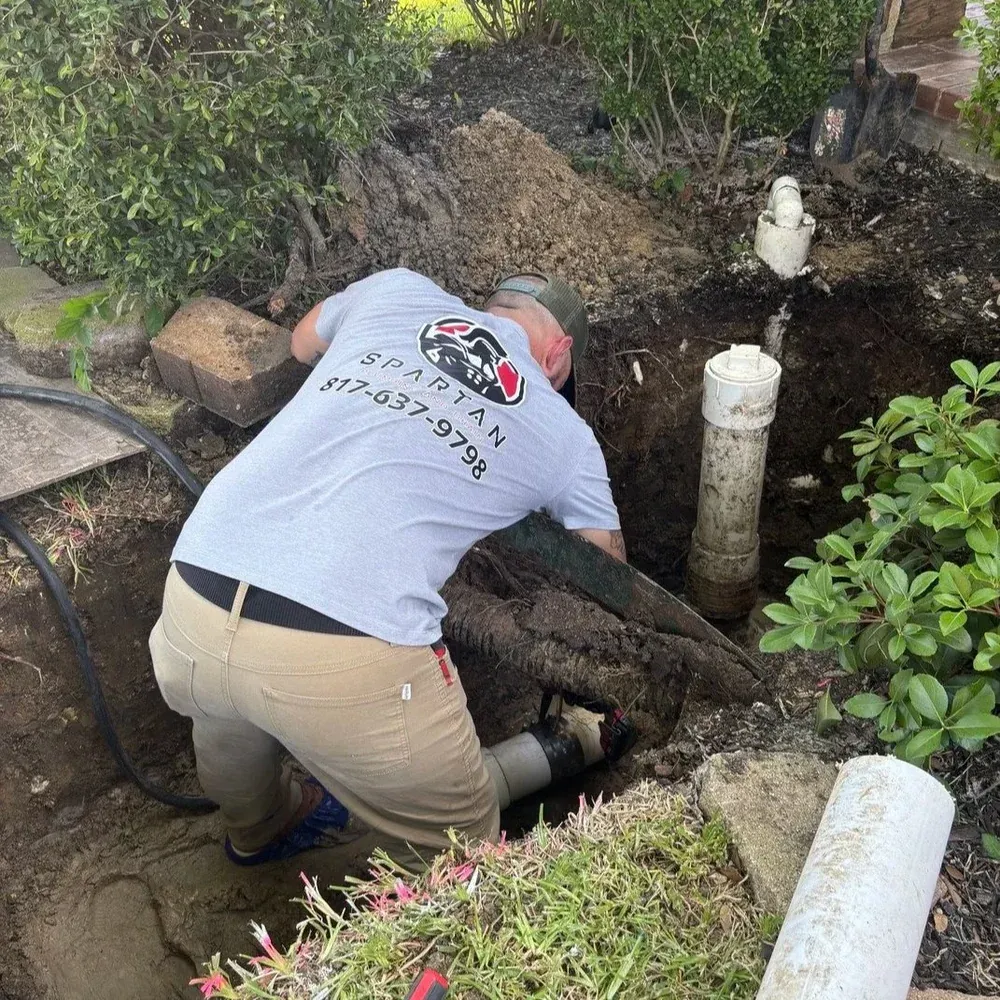
COMMON GAS LINE SERVICES
Gas line work covers more ground than most people expect. It is not just about hooking up a new appliance; it also includes assessing whether existing lines can safely handle new demand.
- New gas line installation for stoves, ranges, and cooktops
- Running dedicated lines to outdoor kitchens, grills, and fire pits
- Gas line extensions or rerouting during kitchen and home additions
- Pressure testing and leak detection on existing lines
- Replacing aging or corroded gas piping and fittings
- Water heater and furnace gas connections
SIGNS A GAS LINE NEEDS ATTENTION
Gas leaks are one of the few plumbing issues where waiting to investigate is genuinely risky. A rotten egg smell near an appliance or along a wall is the most recognized warning sign, since utility companies add that odor specifically so leaks are noticeable. Other signs include a hissing sound near a gas line or meter, dead vegetation in an otherwise healthy patch of yard where an underground line runs, and pilot lights that will not stay lit. If a gas bill climbs without a clear reason, that can also point to a line losing gas somewhere along its run.
SIZING LINES CORRECTLY FOR MODERN APPLIANCES
Older homes were often piped for a smaller number of gas appliances than what modern kitchens and outdoor living spaces now include. Adding a gas range, a tankless water heater, or an outdoor kitchen to a line originally sized for one furnace can lead to inadequate pressure at every connected appliance. Correct sizing accounts for the total BTU load of every appliance on the line and the distance gas has to travel, not just whether a pipe happens to reach the new fixture.
WHY PROPER INSTALLATION AND INSPECTION MATTER
Gas line work has to meet code requirements for pipe material, fitting type, and pressure testing, and for good reason. A poorly sealed joint or an undersized line is not the kind of mistake that shows up gradually; it can create a hazard immediately. That is why any new gas line installation or modification should be pressure tested before it goes into service, and why older homes benefit from a periodic check of existing lines, especially before a renovation adds new appliances to the system.
Gas appliances are efficient and reliable when the lines feeding them are sized and maintained correctly. Keeping an eye out for odd smells or sounds, and having lines checked before adding new appliances, keeps a modern kitchen or outdoor space running the way it is supposed to without unnecessary risk.