
An outdoor faucet, also called a hose bib or sillcock, is one of the most used and least thought-about fixtures on a property. It waters gardens, fills pools, washes cars, and supplies hoses for outdoor projects. When it works well it goes unnoticed, but when it fails or was never installed in a convenient spot, everyday yard tasks become a hassle.
WHY MORE OUTDOOR FAUCETS MAKE A DIFFERENCE
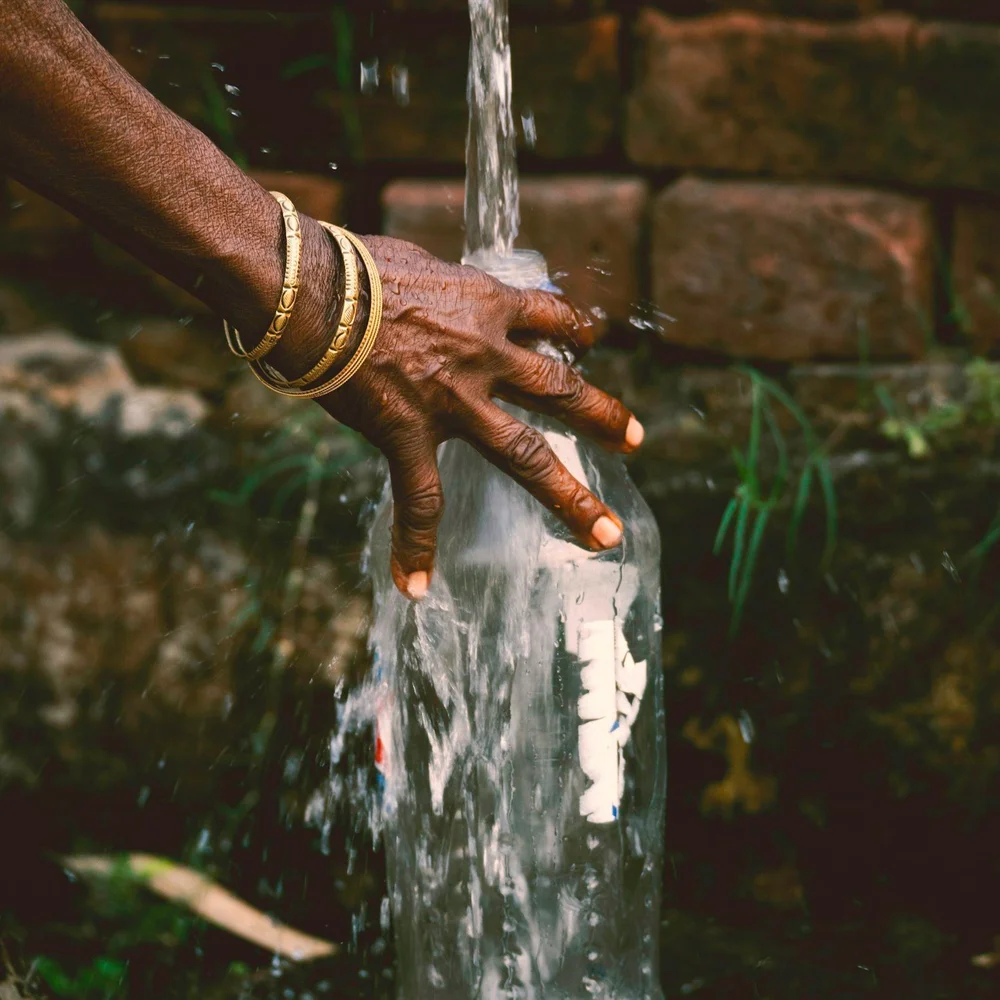
Many homes have only one or two outdoor spigots, often placed wherever construction made it easiest rather than where a homeowner actually needs water. Adding a faucet near a garden bed, a detached garage, or a patio saves the constant hassle of dragging a hundred feet of hose across the yard. It also reduces wear on hoses and fittings, since shorter runs mean less kinking and pressure loss.
- Convenient watering access for gardens, flower beds, and container plants
- Easier car washing and outdoor cleaning without a long hose
- A dedicated connection point for pressure washers or pool fill-ups
- Less strain on existing faucets that get used for everything
- Added convenience for future landscaping or irrigation additions
FROST-FREE FAUCETS ARE WORTH THE UPGRADE
Standard hose bibs sit close to the exterior wall, leaving the valve exposed to freezing temperatures on cold nights. A frost-free faucet extends the actual shut-off valve well into the warmer interior of the wall, so the vulnerable part of the fixture never sits in freezing air. This single upgrade prevents one of the most common cold-weather plumbing failures: a cracked spigot that floods a wall cavity the moment it thaws and someone turns the water back on.
PLACEMENT AND INSTALLATION CONSIDERATIONS
Good placement matters as much as the fixture itself. A faucet should sit at a height that is comfortable to use, clear of shrubs or hardscaping that would make attaching a hose awkward, and positioned to minimize the length of pipe run needed. Installation typically involves tapping into an existing supply line, running new pipe to the desired location, and fitting either a standard or frost-free sillcock through the exterior wall. Each new connection point also needs its own shut-off, ideally accessible from inside, so it can be isolated for winterizing or repairs without affecting the rest of the house.
A SMALL INVESTMENT WITH DAILY PAYOFF
Outdoor faucets are inexpensive compared to most plumbing projects, but the daily convenience they add is significant. Whether it is a second spigot on the far side of the yard or replacing an old, leaking hose bib with a modern frost-free model, the investment pays off every time a hose gets uncoiled without a second thought.